
Many of the most valuable companies of the last few decades were built partly on a founder's face, voice and story. Before creators had TikTok, entrepreneurs like Steve Jobs, Oprah Winfrey and Richard Branson were already using media to sell. Today, founders like Huda Kattan and Emma Chamberlain have done the same thing in reverse, turning an online audience into a company. This roundup covers ten business builders from outside Africa who grew companies through storytelling and personal brand, with one personal branding lesson from each that a creator, freelancer or small business can use this week.
Key takeaways
- A personal brand works as free distribution: people follow and share a person far more readily than a logo.
- The founders on this list either built an audience first and a product second (Huda Kattan, Emma Chamberlain) or built a product and made themselves its storyteller (Steve Jobs, Sara Blakely).
- Teaching in public, as Gary Vaynerchuk did with a daily wine show, builds trust before you ask for a sale.
- Speed and humour can matter more than budget: Ryan Reynolds' team made a widely shared Aviation Gin ad in about 75 hours.
- Attention is not the same as a business; Virgin Cola's tank stunt got headlines, but the drink still struggled once Coca-Cola fought back.
Why does a personal brand help a business grow?
A personal brand helps a business grow because people trust people more than companies. When a founder is visible, every video, interview or post becomes marketing that the audience actually chooses to watch, and the founder's credibility rubs off on the product.
It also lowers costs. Richard Branson has said Virgin did not have the budgets of its competitors in its early days, so he used publicity instead (SmartCompany). The same logic applies to a small business in Lagos, Nairobi or Manchester that cannot afford billboards: a founder who shows up on camera consistently is cheaper than paid ads and harder to copy.
Which entrepreneurs turned their personal brand into a business?
Here are ten business builders, what they did with media and one lesson you can apply. Revenue and valuation figures are dated and linked, because they change over time.
Steve Jobs — Apple
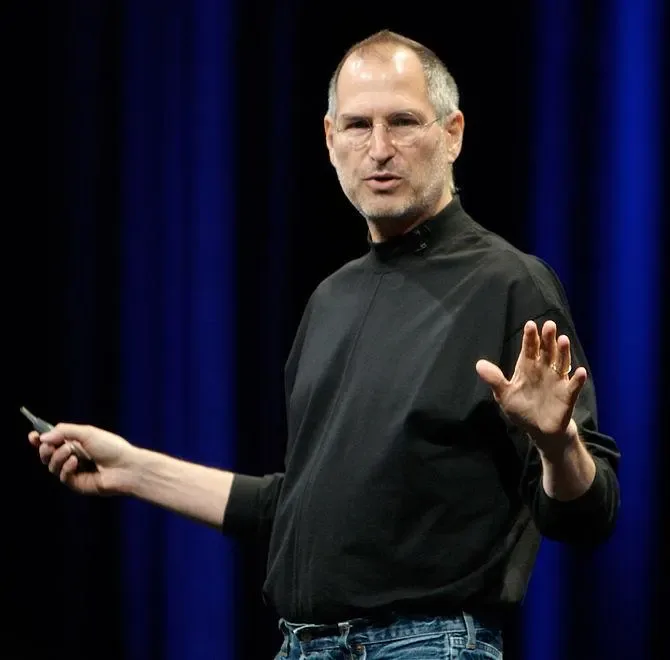
Steve Jobs, Apple's co-founder, turned product launches into events people wanted to watch. At Macworld San Francisco on January 9, 2007, he introduced the iPhone by presenting it as three products in one: a mobile phone, a widescreen iPod with touch controls and an internet communications device (Apple Newsroom). The keynote worked like a story with a reveal, and the press coverage it generated did much of Apple's marketing for it. Jobs died in 2011, but his launch style is still copied by tech companies and creators.
Lesson: don't just list features. Frame what you are selling as a problem, a build-up and a reveal, and your launch post becomes something people share.
Oprah Winfrey — Harpo Productions and OWN
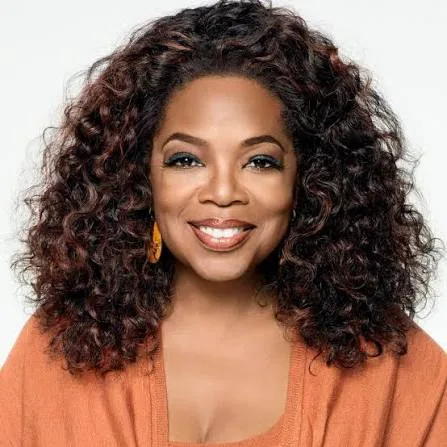
The Oprah Winfrey Show ran in national syndication for 25 seasons, from September 1986 to May 2011 (Wikipedia). Winfrey negotiated ownership of her programme through her own company, Harpo Productions, and used the trust she built with viewers to expand: Oprah's Book Club, launched in 1996, could turn a pick into a bestseller (Wikipedia), O, The Oprah Magazine launched with Hearst in 2000 (Hearst) and the Oprah Winfrey Network launched on January 1, 2011 (Wikipedia).
Lesson: own as much of your platform as you can, and treat your recommendations as precious. An audience that trusts your taste will follow you into new products.
Richard Branson — Virgin Group
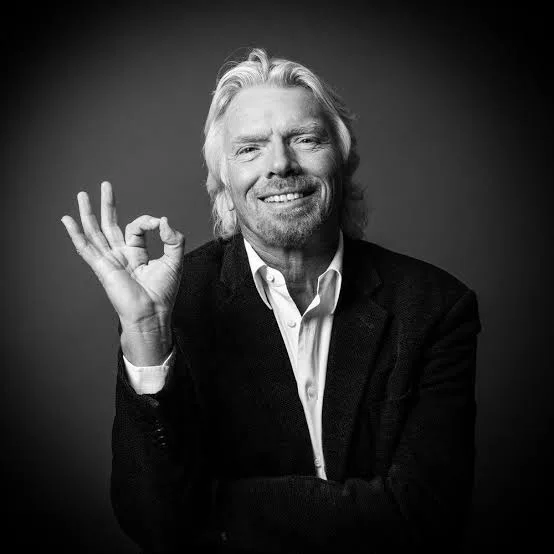
Richard Branson made himself the face of Virgin because, in his words, the company did not have the huge budgets of its competitors while it was building the brand (SmartCompany). His stunts became famous: to launch Virgin Cola in the United States in 1998, he drove a tank through Times Square (CNBC). Virgin itself admits the cola did not succeed once Coca-Cola responded, and lists it among the failures it learned from (Virgin).
Lesson: a bold, playful stunt can earn more attention than an ad budget, but it only pays off when the product, pricing and distribution behind it are strong.
Sara Blakely — Spanx
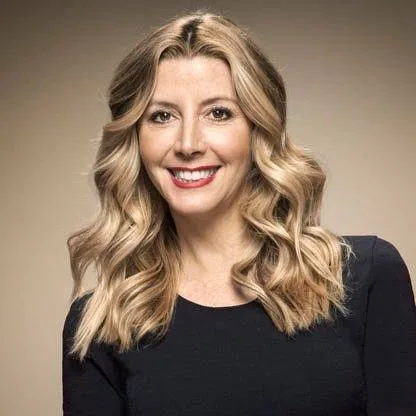
Sara Blakely started Spanx with $5,000 of savings and, in the early days, promoted it herself, including rearranging displays in department stores so her product was easier to find (Fortune). Her personal story of inventing the product became part of the brand, and in 2000 Oprah Winfrey chose Spanx as her favourite product of the year (Yahoo Finance). In November 2021, Blackstone completed a majority investment that valued Spanx at $1.2 billion (Blackstone).
Lesson: your founder story is marketing. Tell people why you made the product, in your own words, and show up in person where your customers are.
Gary Vaynerchuk — Wine Library and VaynerMedia
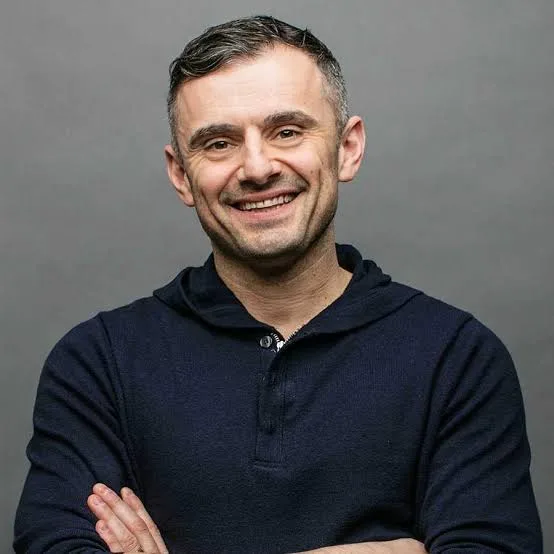
Gary Vaynerchuk took over his father's liquor store, renamed it Wine Library and moved sales online. In 2006 he started Wine Library TV, a daily online video show about wine that ran until 2011 (Wikipedia). TED describes the show as an unpretentious take on a traditionally stuffy subject and credits him with growing the business to $60 million in sales (TED). In 2009 he and his brother AJ founded VaynerMedia, a social media–focused agency, and he published Crush It!, a book about building a personal brand online (Wikipedia).
Lesson: teach what you know, in public, on a schedule. A daily or weekly show about your trade builds expertise and trust at the same time.
Huda Kattan — Huda Beauty
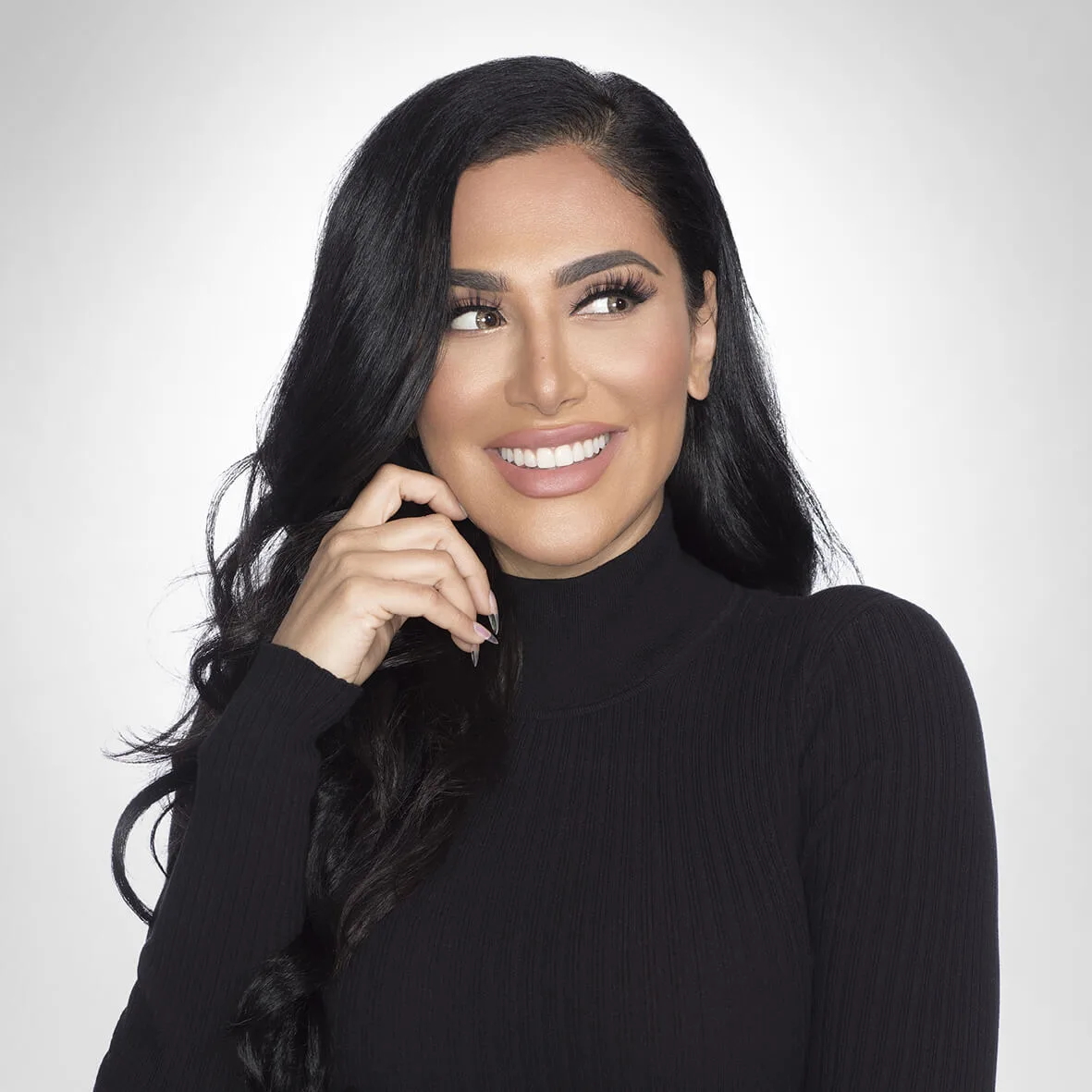
Huda Kattan started a beauty blog and YouTube channel, both called Huda Beauty, in April 2010, and her first product was a line of false eyelashes sold through Sephora in Dubai (Wikipedia). She launched the product with a $6,000 loan from her sister, and a 2017 minority investment from TSG Consumer Partners reportedly valued the company at $1.2 billion (CNBC). In June 2025 she bought back TSG's stake, making Huda Beauty fully founder-owned again (Business of Fashion).
Lesson: build the audience with genuinely useful tutorials first, then launch the product your audience keeps asking about.
Kylie Jenner — Kylie Cosmetics
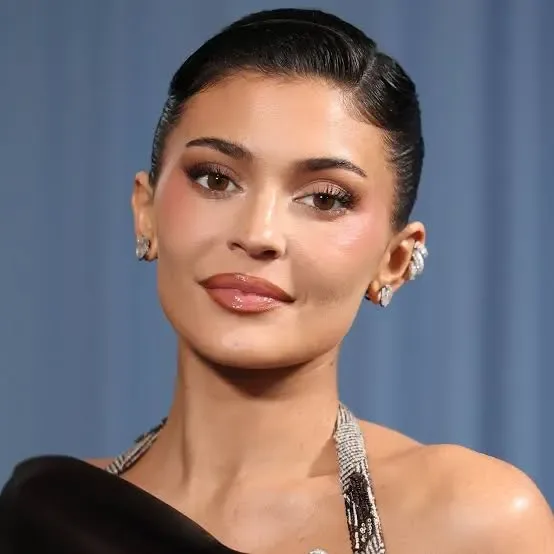
Kylie Jenner launched Kylie Cosmetics in November 2015 and sold heavily through her own digital channels. When Coty agreed to buy a 51% stake for $600 million in November 2019, it said the brand had about $177 million in net revenue over the previous twelve months and pointed to her more than 270 million followers across personal and brand social channels (Coty). The deal valued the business at about $1.2 billion (CNBC).
Lesson: build anticipation before you launch. Tease the product, show behind-the-scenes clips and give your audience a date to wait for.
Ryan Reynolds — Aviation Gin and Mint Mobile
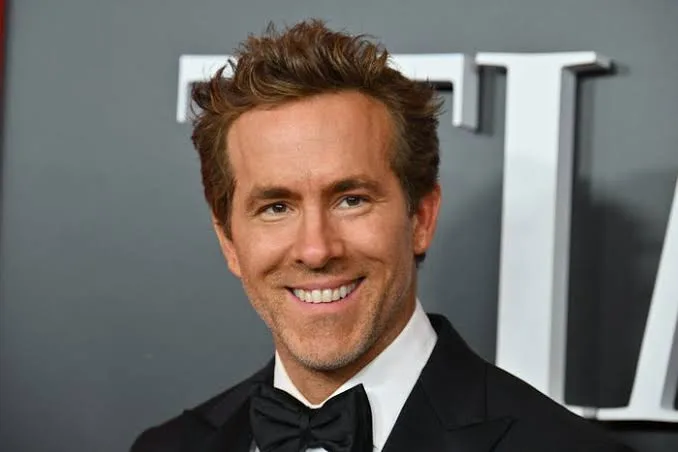
Ryan Reynolds bought a stake in Aviation Gin in early 2018 and became hands-on in creating its ads with his company, Maximum Effort. In December 2019, his team released a parody ad reacting to a much-discussed Peloton commercial about 75 hours after the idea started with a text message (Adweek). In August 2020, Diageo agreed to buy Aviation for up to $610 million (CNBC). In March 2023, T-Mobile agreed to buy Mint Mobile, another brand he part-owned and promoted, for up to $1.35 billion (TechCrunch).
Lesson: speed and humour beat big budgets. When a conversation takes off online, a quick, clever response from a recognisable voice can outperform a polished campaign.
Emma Chamberlain — Chamberlain Coffee
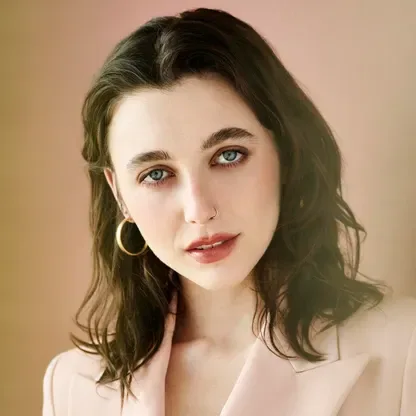
Emma Chamberlain built her audience on YouTube as a teenager with self-deprecating vlogs and a distinctive editing style, then launched Chamberlain Coffee as an online mail-order company in December 2019 (Wikipedia). Coffee already appeared often in her videos, and by 2023 the brand had moved into 4,000 Walmart stores (TechCrunch). In August 2024 she became co-CEO, when the brand was sold in more than 12,000 retail stores (World Coffee Portal).
Lesson: sell something that already fits naturally into your content. If your audience sees you use it every day, the product feels like an extension of you, not an ad.
Alex Hormozi — Acquisition.com
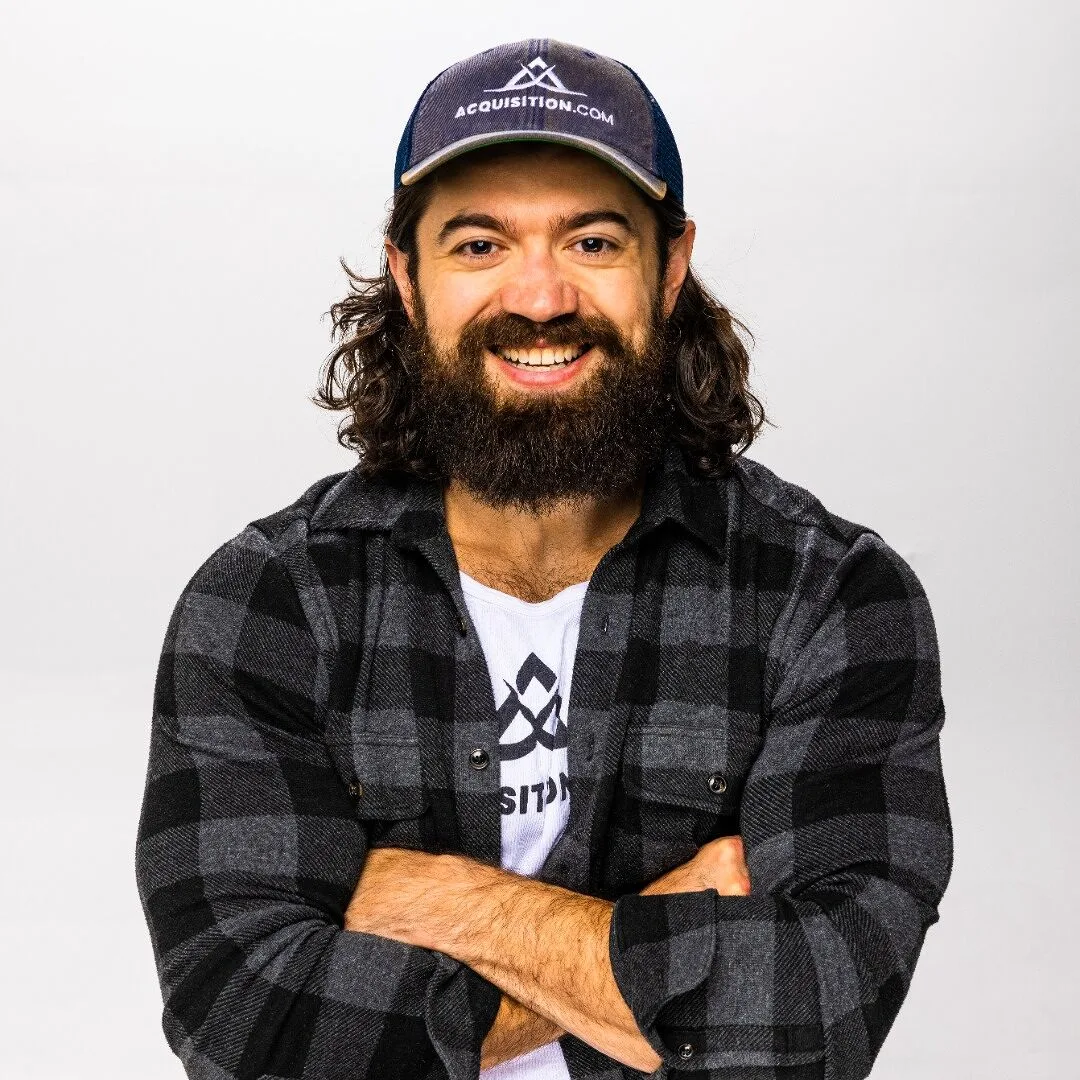
Alex Hormozi built and sold gym-related businesses, including a majority sale of his licensing company for $46.2 million in 2021, before founding Acquisition.com, which invests in and helps scale other companies (Acquisition.com). He publishes much of his business teaching through YouTube videos, podcasts and a series of "$100M" books, and that audience has become a launch engine: in August 2025, $100M Money Models sold 2,917,443 copies in a single day, a Guinness World Records title for the fastest-selling non-fiction book (Guinness World Records).
Lesson: give away useful, specific know-how. When people get real results from your free content, they are far more likely to buy when you finally sell.
What patterns do these entrepreneurs share?
Most of these business builders used one or two repeatable patterns rather than doing everything at once. Here is how they compare and what a smaller version looks like for a creator or small business.
| Pattern | Who used it | Creator or small business version |
|---|---|---|
| Founder as storyteller | Steve Jobs, Sara Blakely | Explain why you made your product in a short founder video |
| Trusted recommendations | Oprah Winfrey | Share honest picks and reviews only when you mean them |
| Publicity stunts | Richard Branson | Run one memorable, low-cost challenge or event per quarter |
| Teaching in public | Gary Vaynerchuk, Alex Hormozi | Post a weekly tip series about your trade |
| Audience first, product second | Huda Kattan, Emma Chamberlain | Launch the product your comments keep asking for |
| Launch anticipation | Kylie Jenner, Steve Jobs | Tease a launch for one to two weeks with a clear date |
| Fast, funny reactions | Ryan Reynolds | Respond to relevant trends within a day or two |
Notice that none of these patterns needs a huge budget to start. What they need is a consistent voice and the habit of showing up. If you are earlier in your journey, our guide on how to become an influencer covers the foundations, and how to make money on social media explains how products, services and partnerships fit together.
What are the limits of building a business on a personal brand?
The main limit is that attention does not replace a good product. Branson's Virgin Cola is the clearest example on this list: the launch stunt was memorable, but Virgin itself describes the drink as a failure it learned from.
The second limit is dependence on one person. If the founder stops posting, the marketing slows down too. Several founders on this list reduced that risk by building teams and systems around themselves, such as Reynolds' Maximum Effort and Chamberlain's co-CEO structure. For a small business, that might mean training a colleague to appear on camera too, or building content formats that work even when you are not the one presenting.
What you can apply to your own account
You can start using these lessons on a small scale this month. Try this plan:
- Pick your pattern. Choose one row from the table above that suits your personality. Teaching in public suits experts; stunts and fast reactions suit natural entertainers.
- Write your founder story. In under 100 words, explain who you are, what problem you solve and why you care. Turn it into a pinned post or short video.
- Start a recurring series. A weekly tip, review or behind-the-scenes episode trains your audience to come back. Our list of social media content ideas has formats to borrow.
- Listen for demand. Save comments and DMs that ask "where can I get this?" or "can you teach me that?". That is how Huda Kattan and Emma Chamberlain found products their audiences wanted.
- Plan launches, don't just post them. Give every launch a date and one to two weeks of teasers.
If your audience is mostly business buyers, the same principles apply on LinkedIn; see our guide on how to grow on LinkedIn. Closer to home, Taaooma's growth story shows how a Nigerian creator turned simple comedy skits into a recognisable brand. And if you are juggling a business and a content schedule, BrainPost's content planner lets you draft, schedule and auto-publish your series across platforms so it keeps going on busy weeks. For a look at how today's biggest full-time creators operate, see our roundup of the top social media creators in 2026.
Frequently asked questions
What is personal branding for entrepreneurs?
Personal branding for entrepreneurs is the deliberate way a founder presents their expertise, values and story in public, usually through social media, interviews and content. Done well, it makes the founder recognisable and trusted, and that trust carries over to the business and its products.
Do you need a personal brand to grow a business?
No, but it helps, especially when your marketing budget is small. Many strong businesses grow without a visible founder. A personal brand gives you a low-cost way to earn attention and trust, but the product, service and customer experience still have to deliver.
How long does it take to build a personal brand?
It usually takes months to years of consistent posting. Gary Vaynerchuk ran his wine show almost daily for about five years, and Huda Kattan blogged for years before her brand's big investment. Expect slow early growth, and judge progress by audience quality, not just follower count.
Should a business owner post as themselves or as the brand?
Ideally both. Posting as yourself builds trust and reach, because people connect with faces and stories. The brand account then handles product details, offers and customer service. Many small businesses start with the founder's account and grow the brand account alongside it.
Can you build a personal brand without showing your face?
Yes. You can build recognition through a distinctive voice, writing style, illustrations or a recurring character. It can be slower than face-to-camera content, so be extra consistent with your format and tone so people learn to recognise you anyway.
Sources
- Apple Newsroom — Apple Reinvents the Phone with iPhone (January 9, 2007)
- Wikipedia — The Oprah Winfrey Show
- Wikipedia — Oprah's Book Club
- Wikipedia — Oprah Winfrey
- Hearst — New Oprah Winfrey magazine named O, The Oprah Magazine
- SmartCompany — Richard Branson on the "outlandish" way he marketed Virgin on a shoestring budget
- CNBC — Richard Branson on start-up success and the time he drove a tank into Times Square
- Virgin — Six times Virgin learned from failure
- Fortune — Spanx founder Sara Blakely built an empire from $5,000
- Yahoo Finance — Spanx founder Sara Blakely's $1 billion idea started with just $5,000 in savings
- Blackstone — SPANX, Inc. and Blackstone close majority sale
- Wikipedia — Gary Vaynerchuk
- TED — Gary Vaynerchuk speaker profile
- Wikipedia — Huda Beauty
- CNBC — Huda Kattan turned a $6,000 loan into a billion-dollar business
- Business of Fashion — Huda Kattan buys back Huda Beauty
- Coty — Coty and Kylie Jenner announce strategic partnership (November 18, 2019)
- CNBC — Coty buys majority stake in Kylie Cosmetics
- Adweek — How Ryan Reynolds pulled off Aviation Gin's Peloton parody
- CNBC — Diageo to buy Ryan Reynolds-backed Aviation Gin for $610 million
- TechCrunch — T-Mobile to acquire Ryan Reynolds' Mint Mobile in $1.35 billion deal
- Wikipedia — Emma Chamberlain
- TechCrunch — Emma Chamberlain's coffee company moves into retail
- World Coffee Portal — Emma Chamberlain assumes co-CEO role at Chamberlain Coffee
- Acquisition.com — Alex Hormozi bio
- Guinness World Records — Fastest-selling non-fiction book